 ultimate-guide
Buy Online Legacy Planning Course: A 2026 Guide
Table of Contents
- Why Buy an Online Legacy Planning Course in 2026
- What Online Estate Planning Courses Typically Cover
- DIY vs. Professional Guidance: Choosing the Right Approach
- How to Choose a Digital Legacy Planning Course That Fits You
- Understanding the Cost of an Online Estate Planning Course
- Legacy Planning Certification Online: Do You Need One?
- What Makes a Legacy Planning Course Worth Buying
- Frequently Asked Questions
Last Updated: August 1, 2026
Deciding to buy an online legacy planning course is one of the most practical steps you can take for your family's future, yet most people delay for years. At My Living Legacy Course, we've seen how that delay leaves families scrambling through paperwork and grieving without needed guidance. The good news is that 2026 offers more structured, accessible options than ever before.
Why Buy an Online Legacy Planning Course in 2026
A legal will documents what you own, but says almost nothing about who you are. According to AARP research on family caregiving and end-of-life planning, many American families feel unprepared when a loved one passes, not from missing legal documents, but because personal wishes, stories, and practical instructions were never captured. That gap is exactly what a legacy planning course addresses.
Estate planning is the legal architecture: wills, trusts, power of attorney, beneficiary designations. Legacy planning is the human layer on top of it, your life story, how you met your spouse, what you want done with your grandmother's china, and which neighbor has the spare key. Both matter. Neither replaces the other.
Legacy Planning vs. Estate Planning: Understanding the Difference
Legacy planning documents your personal stories, values, final wishes, and practical instructions for those you leave behind. Estate planning is the legal and financial framework governing how your assets transfer after death, including wills, living trusts, and tax planning.
A lawyer can draft a will in an afternoon. No lawyer can tell your grandchildren why you chose your career or explain the family traditions you want carried forward. That's what a legacy planning course helps you do.
Who Should Take a Legacy Planning Course
The most natural candidates include:
- Adults aged 60 and older who want to document their life stories
- Adult children seeking a meaningful gift for aging parents
- Anyone who felt chaos from undocumented final wishes after losing a loved one
- Proactive planners who already have a will and want the personal layer
- Individuals who value family legacy and want a guided way to pass it down
If you've completed legal estate planning and still feel something important is missing, that feeling is accurate.
What Online Estate Planning Courses Typically Cover
Online estate planning courses vary widely. Professional-track programs cover estate law, fiduciary duty, trust strategies, and tax liability for attorneys and financial planners. Consumer-facing programs focus on practical documentation, personal narrative, and family communication.
Core Topics: From Probate Process to Beneficiary Designation
A well-structured consumer program covers:
- The probate process and why avoiding it matters
- Beneficiary designation on retirement accounts and life insurance
- The difference between power of attorney and healthcare directives
- Basic trust strategies and when they make sense
- Asset conservation across generations
- Charitable giving as part of succession planning
Understanding these concepts helps you have better conversations with your attorney and financial advisor.
Personal Legacy Modules: Stories, Wishes, and Final Arrangements
Consumer-focused programs guide you through capturing what no attorney asks about: childhood memories, values, final arrangements preferences, and practical instructions your family will need immediately after your death.
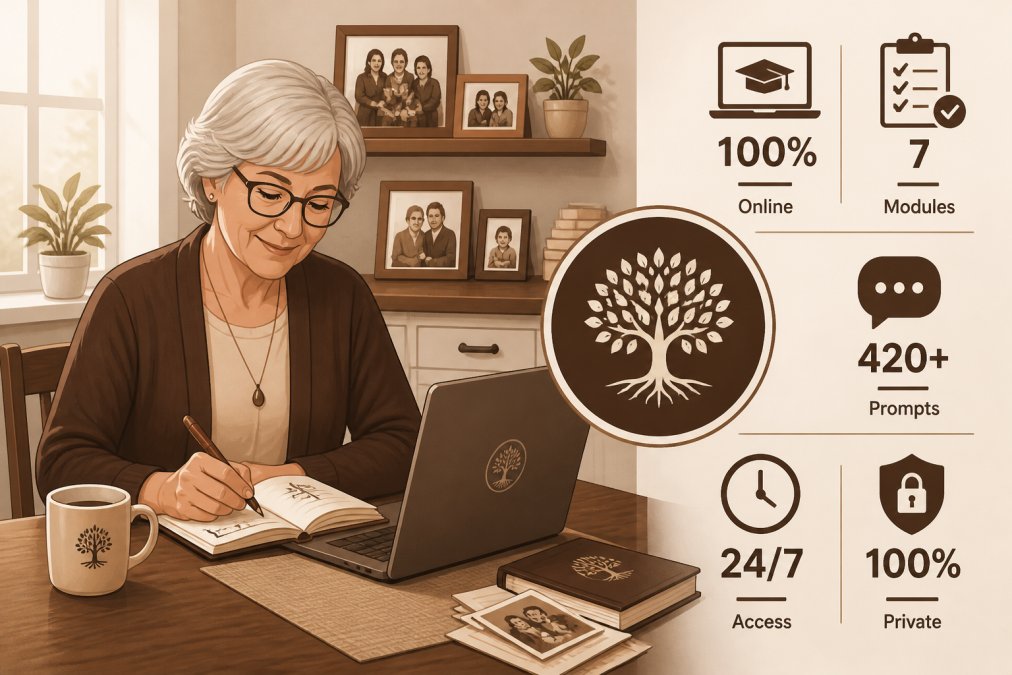
My Living Legacy Course is built around this work. Its seven guided modules and more than 420 reflective prompts walk you through your life story, personal wishes, and final arrangements in a structured sequence.
DIY vs. Professional Guidance: Choosing the Right Approach
DIY legacy documentation captures the narrative layer of your legacy. Professional guidance from an estate attorney handles the legal and financial architecture. The two serve different purposes and work best together.
For the legal side, significant assets, blended families, business succession, or complex tax planning genuinely require professional support. For the personal legacy layer, no attorney is better positioned than you are to document your own stories and wishes. What you need is structure, not expertise.
| Approach | Best For | Key Limitation |
|---|---|---|
| DIY personal legacy course | Stories, wishes, final arrangements | Not a legal document |
| Estate attorney | Wills, trusts, asset transfer | Doesn't capture personal narrative |
| Financial planner | Wealth transfer, tax planning | Focused on assets, not people |
| Combined approach | Complete legacy planning | Requires investment in both |
How to Choose a Digital Legacy Planning Course That Fits You
The digital legacy planning course market ranges from simple PDF workbooks to comprehensive multi-module programs with lifetime access. Here's how to evaluate what's in front of you.
Course Selection Criteria: What to Look For Before You Buy
Before purchasing, run through this checklist:
- Does the course offer structured prompts, or blank fields?
- Is access lifetime, or does it expire?
- Is the content genuinely personal, or primarily legal and financial?
- Does it function as a companion to your will, or replace legal advice?
- Is the interface accessible for adults who aren't highly tech-savvy?
- Can you work through it at your own pace?
- Is there a clear privacy policy explaining where your data is stored?
Read the privacy policy before you purchase. When documenting personal stories and family information, you have a right to know who has access to that data.
On-Demand Learning vs. Synchronous Sessions
On-demand learning means you access content whenever you want, at your own pace. Synchronous sessions involve scheduled, real-time interaction.
For legacy planning, on-demand learning is almost always better. This reflection takes time. You might spend an afternoon on one prompt and skip others before returning. According to National Institute on Aging guidance on advance care planning, older adults benefit significantly from self-paced tools that allow them to revisit and revise documented wishes over time.
Understanding the Cost of an Online Estate Planning Course
Professional certification programs can run hundreds or thousands of dollars. Consumer-facing personal legacy programs occupy a different price point. My Living Legacy Course offers lifetime access for a one-time fee, meaning you pay once and return to the material as often as needed without subscription charges.
What's worth paying for is lifetime access and genuine depth of structured prompts. A course with 20 questions isn't the same as one with 420+.
Legacy Planning Certification Online: Do You Need One?
Legacy planning certification online is relevant for two different audiences.
For legal and financial professionals, certification carries genuine career weight, signaling expertise in estate law and fiduciary responsibility. These programs require completing a curriculum, passing assessments, and meeting continuing professional education requirements.
For individuals documenting their own legacy, certification is largely irrelevant. You don't need a certificate to tell your life story. You need a structured process that produces a meaningful document your family can use.
If you're a financial professional seeking development, look for programs affiliated with recognized industry bodies. If you're an individual documenting your personal legacy, focus on content quality, prompt depth, and platform accessibility.
What Makes a Legacy Planning Course Worth Buying
A legacy planning course is worth buying when it produces something your family will actually use. Many programs fail this test, generating a list of assets and generic letters. That's not a legacy.
Courses worth buying ask questions you wouldn't think to answer on your own. They guide you through uncomfortable topics, final arrangements, family conflicts, personal regrets, what you want said at your funeral, with enough structure that you can actually complete them.
My Living Legacy Course is built on this premise. The 420+ reflective prompts aren't filler. They're the result of thinking carefully about what families actually need when a loved one is gone. The seven modules move through your life story, values, relationships, practical instructions, and final wishes in a natural sequence.
Common Mistakes People Make When Choosing a Course
The most common mistake is buying based on price alone. A cheaper course with shallow prompts produces a shallow document.
The second mistake is assuming a legal will covers everything. It doesn't. A will transfers assets. It doesn't explain the story behind them or the practical instructions your family needs in the first 72 hours after your death.
The third mistake is buying a course and never finishing it. Look for a program with structure that allows short sessions. Four prompts on a Tuesday afternoon is manageable. According to Stanford Center on Longevity research on aging and planning behavior, older adults who engage in structured life review activities report higher psychological wellbeing and stronger family communication.
Families who face loss without documented personal wishes often describe a second loss: grief compounded by confusion and regret. My Living Legacy Course prevents exactly that outcome. With seven guided modules, more than 420 reflective prompts, and lifetime access for a one-time fee, it gives you a structured way to capture your story, wishes, and final arrangements before your family needs them. Get started with My Living Legacy Course and give your family the clarity they deserve.
Frequently Asked Questions
What is the difference between estate planning and legacy planning?
Estate planning is a legal process focused on documents like wills, living trusts, power of attorney, and beneficiary designations that govern the transfer of assets and property after death. Legacy planning goes further, it captures your personal stories, values, final wishes, and non-legal arrangements so your family understands not just what you owned, but who you were. A legacy planning course helps you complete the human side of the picture that legal documents alone cannot provide.
Who should take an online legacy planning course?
An online legacy planning course is ideal for adults aged 60 and older who want to organize their life story and final wishes, adult children looking for a meaningful gift for aging parents, and proactive planners who already have a will but want a structured companion resource. It also suits anyone who has recently lost a loved one and wants to spare their own family the emotional and administrative chaos that often follows an undocumented passing.
How long does it take to complete an online legacy planning course?
Completion time varies widely depending on the course structure and how deeply you engage with the material. A self-paced digital legacy planning course with reflective prompts, like one organized around seven guided modules, may take anywhere from a few weeks to several months, depending on your pace. The advantage of on-demand learning is that you can work through it gradually, returning to sections as your thoughts and memories develop, without any deadline pressure.
I already have a will, do I really need to buy an online legacy planning course too?
A will handles the legal transfer of assets, but it cannot tell your family where you kept important documents, what your final arrangements preferences are, or the personal stories you want passed down. A legacy planning course fills that gap by guiding you through reflective prompts covering your life narrative, values, and practical wishes. Think of it as a companion to your will, one that gives your loved ones clarity and comfort beyond what any legal document can offer.
How much does an online estate planning course cost?
The cost of an online estate planning or legacy planning course varies significantly based on the provider, course depth, and access model. Some platforms charge monthly subscription fees, others offer one-time purchase pricing, and professional certification programs may cost considerably more. For current pricing on a specific digital legacy planning course, always visit the provider's website directly, as pricing can change and may include promotional offers or bundled features not listed elsewhere.
Are online legacy planning courses worth it?
For most people, yes, especially when the alternative is leaving family members to piece together your wishes during an already difficult time. A structured legacy planning course provides guided prompts and a clear framework that most people would never create on their own. The practical value lies in the organization it provides: your stories, final arrangements, and personal instructions in one place, ready for the people who need them most when they need them most.