 comparison
Evaheld vs MyLifeandWishes: 2026 Comparison
Table of Contents
- Evaheld vs MyLifeandWishes: Side-by-Side Comparison
- What Sets These Digital Legacy Platforms Apart
- Security, Encryption, and Data Privacy
- How to Discuss End of Life Plans With Your Family
- Document Storage, Organization, and Beneficiary Access
- Legacy Planning Checklist: What to Prepare Before Choosing
- Which Platform Should You Choose?
- Frequently Asked Questions
Last Updated: August 21, 2026
Evaheld vs MyLifeandWishes: Side-by-Side Comparison
When planning for the end of life, choosing the right digital legacy platform matters. Both Evaheld and MyLifeandWishes help you organize personal wishes and pass down your story, but they approach the task differently. The choice often comes down to whether you prioritize structured guidance through the legacy-planning process or a more flexible, self-directed approach.
My Living Legacy Course takes a different approach entirely. Rather than a digital vault platform, it's a guided online program with seven comprehensive modules and over 420 reflective prompts designed to help you thoughtfully organize your life story, personal wishes, and final arrangements. It's built as a companion to your will, not a replacement for it, with lifetime access for a one-time fee.
Quick Comparison Table
| Feature | Evaheld | MyLifeandWishes | My Living Legacy Course |
|---|---|---|---|
| Primary Function | Digital vault for documents and wishes | End-of-life planning guide | Guided legacy course with prompts |
| Document Storage | Encrypted cloud storage | Limited storage | Not primary focus |
| Guided Modules | Minimal structure | Some guidance | 7 comprehensive modules |
| Prompts/Questions | Few | Moderate | 420+ reflective prompts |
| Beneficiary Access | Configurable | Configurable | Family-focused sharing |
| Lifetime Access | Subscription-based | Subscription-based | One-time fee, lifetime access |
| Best For | Secure document organization | Basic end-of-life planning | Deep legacy storytelling |
What Sets These Digital Legacy Platforms Apart
Evaheld positions itself primarily as a secure digital vault with bank-level encryption for documents, passwords, and final wishes. MyLifeandWishes emphasizes the planning process itself, guiding you through conversations and decisions you need to make before anything happens.
Evaheld appeals to people who want a straightforward repository. You upload documents, organize them into categories, set permissions for beneficiaries, and rest assured they're encrypted and accessible when needed. The interface is clean and functional, designed for efficiency rather than reflection.
MyLifeandWishes takes a more conversational approach, walking you through questions about your end-of-life wishes, values, and what matters most. This matters because many families discover that the hardest part isn't finding a will; it's understanding what the person who died actually wanted beyond legal documents.
My Living Legacy Course operates on a third philosophy: intentional storytelling. The seven modules and 420+ prompts help you capture your narrative, life lessons, values, and hopes for your family. Lifetime access means you can return to it over time, adding to your legacy as your life unfolds.
Security, Encryption, and Data Privacy
Both Evaheld and MyLifeandWishes use encryption to protect sensitive information, but they differ in transparency about their security practices.
Evaheld emphasizes bank-level encryption and regularly publishes security certifications (nist.gov). The platform uses two-factor authentication, encrypted transmission, and secure vault architecture. If security documentation and compliance standards matter to you, Evaheld makes this information readily available.
MyLifeandWishes also uses encryption for stored data, though it's less detailed in public security documentation. For most users, this is sufficient. However, if you need to verify specific compliance standards for peace of mind, you may find yourself searching for details.
Neither platform makes it easy to download your complete data and move it elsewhere, a limitation worth noting if data portability matters to you. My Living Legacy Course stores your reflections with lifetime login access, but because it's a guided course rather than a vault, the data model differs from traditional document repositories.
How to Discuss End of Life Plans With Your Family
The hardest part of legacy planning isn't choosing a platform, it's having the conversation. Both platforms acknowledge this challenge but address it differently.

MyLifeandWishes includes guidance on initiating these conversations with family, helping you articulate your wishes clearly. Evaheld assumes you've already decided what you want to communicate; it's more about organizing and securing what you've determined.
My Living Legacy Course takes the most structured approach. The seven modules and 420+ reflective prompts guide you toward the conversations and decisions that actually matter, helping you articulate your values, hopes, and practical wishes, then giving you a framework for sharing them with loved ones.
Most families don't fail because they lack a secure vault. They struggle because nobody ever talked about what matters. A guided approach helps you create that context.
Document Storage, Organization, and Beneficiary Access
Evaheld is built for document management. You can upload files, organize them into folders, add metadata, and set granular permissions for beneficiaries. You can specify which family members access which documents and set conditions like access only after your death.
MyLifeandWishes stores documents with less sophisticated organization features. If your primary need is a secure file repository with detailed access controls, Evaheld is the stronger choice.
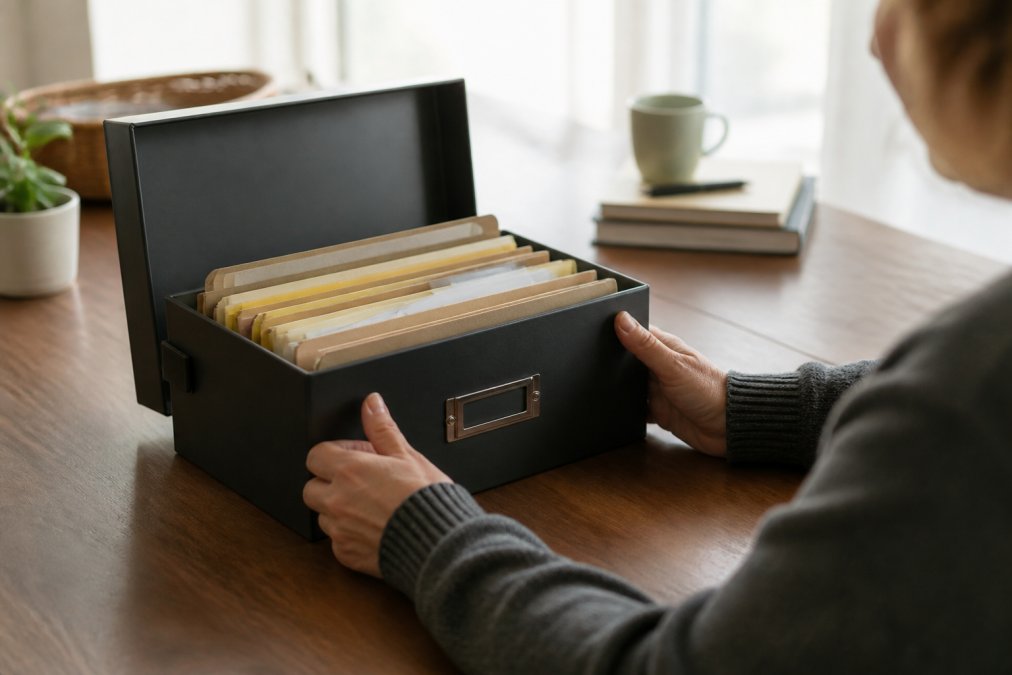
Neither platform makes it easy to export your complete data and move it elsewhere. My Living Legacy Course doesn't function as a document vault. Instead, it's a guided reflective program where you work through prompts and create responses. Your course progress is stored securely with lifetime access, but the platform isn't designed to be a repository for external documents like wills or financial statements. Many users combine the course with a separate secure vault.
Legacy Planning Checklist: What to Prepare Before Choosing
Before committing to either platform, clarify what you're actually trying to accomplish.
Documents and Records
- Will and any trusts
- Financial account information (bank, investment, retirement accounts)
- Insurance policies and beneficiary designations
- Property deeds and vehicle titles
- Healthcare directives and power of attorney documents
- List of digital accounts with usernames
- Passwords or access to password manager
- Tax records and financial statements
- Funeral or cremation preferences
Personal Wishes and Values
- Your core values and what matters most to you
- Stories from your life you want your family to know
- Lessons learned and wisdom you want to pass down
- Hopes and dreams for your children and grandchildren
- Ethical or spiritual beliefs that should guide decisions
- Preferences for how you want to be remembered
- Instructions for specific personal items
- Charitable causes you care about
End-of-Life Preferences
- Medical treatment preferences
- Organ donation preferences
- Funeral or memorial service preferences
- Burial or cremation preferences
- People you want notified and how to contact them
- Outstanding debts or obligations
- Pets and who should care for them
Family Communication
- Who should be the executor or trustee
- Who needs to know about your wishes and when
- How you want to communicate your values to your family
- Conversations you need to have before something happens
- Conflicts or sensitivities your family should understand
If you have most documents completed, a vault platform like Evaheld makes sense. If you're still working through personal wishes and family communication, a guided approach like My Living Legacy Course is more valuable. Many people benefit from both: use a course to clarify your thinking, then store the resulting documents securely.
Which Platform Should You Choose?
Evaheld is best for people who have already decided what they want to communicate and need a secure, organized repository with strong encryption and granular access controls.
MyLifeandWishes works well for people who want guidance on the end-of-life planning process but prefer a lighter-touch approach, striking a middle ground between a vault and a comprehensive guide.
My Living Legacy Course is for people who want to do this thoughtfully and completely. The seven modules and 420+ prompts guide you through genuine legacy planning. Lifetime access means you can return to your reflections over time, adding to your legacy as your life unfolds.
Most people underestimate how much they need guidance. A guided approach surfaces what matters and helps you articulate it clearly. A vault alone doesn't do that.
These aren't mutually exclusive. Many people use a guided course to clarify their thinking, then store the resulting documents in a secure vault.
According to research, families who have clear conversations about values and wishes experience significantly less conflict during difficult times (peer-reviewed research). The National Hospice and Palliative Care Organization emphasizes that effective legacy planning involves both practical documents and personal communication (nhpco.org). Legal wills handle the legal side; personal legacy platforms handle the human side.
The best platform is the one you'll actually use. If you need structure and guided prompts to think through what you want to communicate, My Living Legacy Course provides that framework with lifetime access. If you've already decided what you want and need a secure vault, Evaheld or MyLifeandWishes will serve that purpose. Start with honest clarity about what you actually need, then choose accordingly.
=== FAQ ANSWERS (audit these too, same rules) ===
[1] Q: What is the difference between Evaheld and MyLifeandWishes? A: Evaheld and MyLifeandWishes both serve as digital legacy platforms for storing vital records, final wishes, and personal documents. The key differences lie in their user interface design, document organization features, and how they handle beneficiary access after your death. Evaheld emphasizes secure vault storage with bank-level encryption, while MyLifeandWishes focuses on guided end-of-life planning workflows. Your choice depends on whether you prioritize document management or guided legacy planning prompts.
[2] Q: Do I need a digital legacy platform if I already have a will? A: Yes. A will addresses legal asset distribution, but a digital legacy platform handles non-legal arrangements: personal stories, health directives, password management, funeral preferences, and instructions for your executor. These platforms complement your will by providing your family with clarity beyond legal documents. They reduce confusion during probate and ensure your personal wishes, not just your legal ones, are honored and understood.
[3] Q: Are digital legacy vaults secure for storing sensitive documents? A: Reputable platforms like Evaheld and MyLifeandWishes use bank-level encryption, two-factor authentication, and secure cloud storage to protect your data. Your documents are encrypted both in transit and at rest. However, verify that your chosen platform complies with data privacy standards and clearly states who can access your information after death. Always review their security certifications and privacy policy before uploading sensitive financial or health records.
[4] Q: How do I know which platform actually helps families feel less overwhelmed? A: Look for platforms that offer clear instructions on how beneficiaries access your legacy after death. Seek user testimonials or case studies showing how families used the platform during probate or after loss. Platforms that guide families through the process, not just store documents, typically reduce administrative chaos and emotional burden.
[5] Q: What happens to my account if the platform shuts down or changes ownership? A: Before committing, verify the platform's data portability policy. Ask whether you can export all your documents and legacy information in standard formats (PDF, CSV). Confirm whether lifetime access truly means perpetual access or only as long as the company operates. Reputable platforms outline their succession plan and explain how your legacy is protected if they cease operations. This is a critical question for a service meant to outlive you.
Frequently Asked Questions
Q: What is the difference between Evaheld and MyLifeandWishes?
A: Evaheld and MyLifeandWishes both serve as digital legacy platforms for storing vital records, final wishes, and personal documents. The key differences lie in their user interface design, document organization features, and how they handle beneficiary access after your death. Evaheld emphasizes secure vault storage with bank-level encryption, while MyLifeandWishes focuses on guided end-of-life planning workflows. Your choice depends on whether you prioritize document management or guided legacy planning prompts.
Q: Do I need a digital legacy platform if I already have a will?
A: Yes. A will addresses legal asset distribution, but a digital legacy platform handles non-legal arrangements: personal stories, health directives, password management, funeral preferences, and instructions for your executor. These platforms complement your will by providing your family with clarity beyond legal documents. They reduce confusion during probate and ensure your personal wishes, not just your legal ones, are honored and understood.
Q: Are digital legacy vaults secure for storing sensitive documents?
A: Reputable platforms like Evaheld and MyLifeandWishes use bank-level encryption, two-factor authentication, and secure cloud storage to protect your data. Your documents are encrypted both in transit and at rest. However, verify that your chosen platform complies with data privacy standards and clearly states who can access your information after death. Always review their security certifications and privacy policy before uploading sensitive financial or health records.
Q: How do I know which platform actually helps families feel less overwhelmed?
A: Look for platforms that offer clear instructions on how beneficiaries access your legacy after death. Seek user testimonials or case studies showing how families used the platform during probate or after loss. Platforms that guide families through the process, not just store documents, typically reduce administrative chaos and emotional burden.
Q: What happens to my account if the platform shuts down or changes ownership?
A: Before committing, verify the platform's data portability policy. Ask whether you can export all your documents and legacy information in standard formats (PDF, CSV). Confirm whether lifetime access truly means perpetual access or only as long as the company operates. Reputable platforms outline their succession plan and explain how your legacy is protected if they cease operations. This is a critical question for a service meant to outlive you.