 how-to
How Long Does It Take to Write a Life Story
Table of Contents
- How Long Does It Take to Write a Life Story: The Real Timeline
- Defining Your Project Scope
- How to Start Writing a Memoir: The Research and Planning Phase
- How to Organize Life Story Memories: Creating Structure
- Life Story Writing Templates and Your Daily Writing Routine
- The Drafting Phase: From First Draft to Rough Draft
- The Editing Phase: Why This Takes Longer Than You Think
- Balancing Your Life Story Project With Daily Life
- Frequently Asked Questions
Last Updated: September 25, 2026
How Long Does It Take to Write a Life Story: The Real Timeline
Learning how to write a life story is a meaningful project. But it takes time, more time than most people expect. The question isn't just "how long?" but "how long for what?" A simple written account takes weeks. A polished manuscript takes months or even years.
My Living Legacy Course is designed to guide people through this process. The timeline depends on your project scope, how much time you can dedicate, and whether you're working with professional support. Most people underestimate the editing phase. That's where the real time commitment lives.
This guide breaks down the actual timeline. You'll learn what affects your speed, how to set realistic goals, and how to avoid the burnout that stops most projects cold.
Defining Your Project Scope
Your first decision shapes everything else. What exactly are you writing? The answer changes your timeline dramatically.
Life Story vs. Memoir vs. Biography
These terms get used interchangeably, but they're different projects.
A life story is your personal narrative. You're telling your own experiences in your own voice. It's conversational and reflective. A life story can be 5,000 words or 50,000 words. You decide the scope.
A memoir is more selective. You're not covering everything, you're focusing on specific themes, relationships, or periods that shaped who you are. Memoirs typically run 40,000 to 80,000 words. They require more structure and reflection than a simple life story.
A biography is written by someone else about you. That's a different project entirely. If you're writing about your own life, you're writing a life story or memoir, not a biography.
For most people, a life story is the goal. You want to capture your experiences, lessons, and wishes for your family. That's faster and more manageable than a full memoir.
Setting Your Word Count Goals
Word count determines your timeline more than anything else.
Here's the reality: most people write between 200 and 500 words per hour when they're drafting. That's if they're focused and know what they're writing about. If you're figuring it out as you go, expect 100 to 200 words per hour.
A short life story (10,000 words) takes 20 to 50 hours of writing time. That's roughly 4 to 10 weeks if you write one hour per day. A medium life story (20,000 words) takes 40 to 100 hours. A longer project (40,000 words) takes 80 to 200 hours.
But here's what people miss: writing time and calendar time are different. If you write one hour per day, a 20,000-word project takes 2 to 3 months. If you write three hours per week, it takes 6 to 9 months.
Most people choose a middle ground. A 15,000 to 20,000-word life story is substantial enough to feel complete but manageable within a few months.
How to Start Writing a Memoir: The Research and Planning Phase
Before you write, you need to gather. This phase is easy to underestimate. It takes time, but it makes the actual writing faster and easier.
Conducting Life Story Interview Questions
Interviews with family members add depth and detail. They also jog your memory in ways you didn't expect.
Prepare a list of open-ended questions. Don't ask "Did you like school?" Ask "What do you remember about my school years that stood out to you?" The second question gets stories. The first gets yes or no.
Good interview questions include:
- What's your earliest memory of me?
- What do you think shaped who I became?
- What lesson did I teach you?
- What story about me do you tell other people?
- What do you wish you'd asked me about?
Plan for 30 to 60 minutes per interview. Record them if possible. Transcription takes time, but it's worth it. You can review transcripts while writing.
Most people conduct 5 to 10 interviews. That's 3 to 10 hours of interview time, plus another 5 to 10 hours for transcription and notes.
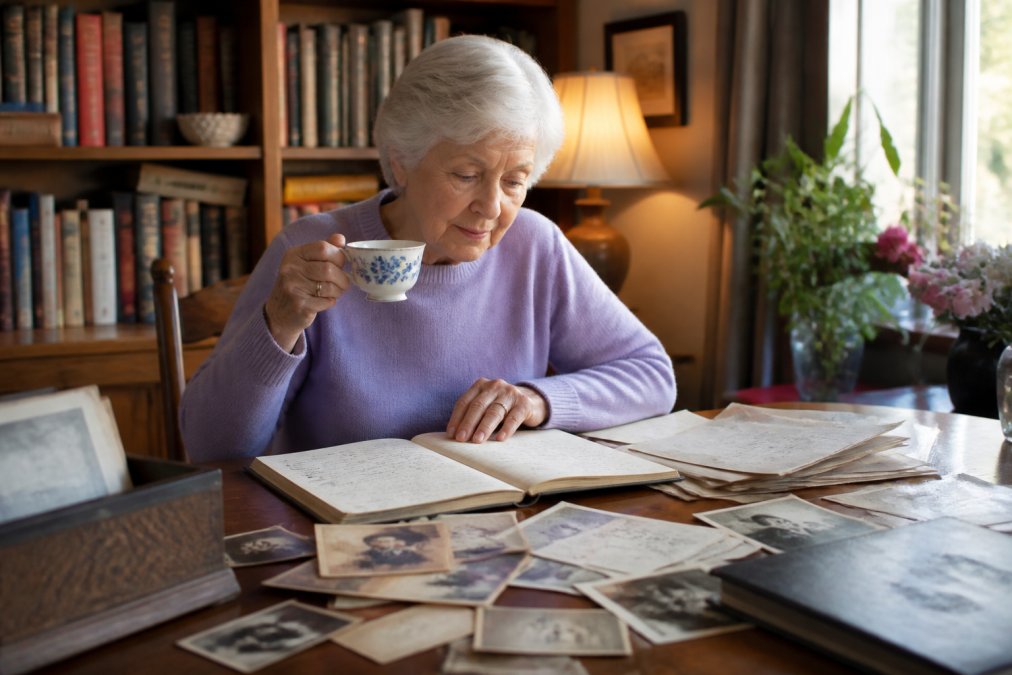
Gathering Documents and Photographs
Old letters, journals, photographs, and documents are gold. They spark memories. They also add authenticity to your narrative.
Spend time gathering these materials. Sort them by theme or time period. Create a simple system so you can find them while writing.
This phase takes 5 to 15 hours depending on how much material you have. Don't get stuck here. You don't need to organize everything perfectly. A rough system is enough.
How to Organize Life Story Memories: Creating Structure
Structure determines how readable your story is. It also determines how long the writing process takes. A clear structure means faster drafting.
Chronological vs. Thematic Organization
Chronological order follows your life from beginning to end. This is the simplest structure. It's how most people naturally tell stories. Readers follow your journey year by year or decade by decade.
Chronological structure works well for:
- Life stories that cover your whole life
- Narratives where events build on each other
- Readers who want to understand your journey over time
Thematic organization groups stories by topic, relationship, or lesson. You might have chapters on family, work, love, loss, and wisdom. Within each theme, you can jump around in time.
Thematic structure works well for:
- Memoirs focused on specific periods or relationships
- Stories where themes matter more than timeline
- Shorter narratives that don't cover your whole life
Most life stories use a hybrid approach. You organize by decade or major life phase (chronological), but within each section you explore themes (thematic).
Choose your structure before you start writing. This decision saves hours later.
Life Story Writing Templates and Your Daily Writing Routine
Templates give you a framework. A routine keeps you consistent.
Setting Realistic Daily Output Goals
Write what you can sustain, not what sounds impressive.
One hour per day is better than five hours once a week. Your brain needs consistency. It remembers details better. The writing flows easier.
Most people can write 300 to 500 words per hour when drafting. If you write one hour per day, you'll produce 2,000 to 3,500 words per week. That's a 20,000-word life story in 6 to 10 weeks.
But not every day is productive. Some days you'll write 100 words. Some days you'll write 800. Average matters more than consistency.
Set a weekly goal, not a daily one. Aim for 5,000 to 7,000 words per week. That's achievable for most people without burning out.
Managing Writing Discipline and Avoiding Burnout
Burnout kills more life story projects than anything else.
You're not writing for a deadline. You're writing for yourself and your family. That's different from work writing. The pressure feels less, but the emotional weight is heavier.
Take breaks.
The Drafting Phase: From First Draft to Rough Draft
Your first draft is ugly. That's normal. That's the point.
The Editing Phase: Why This Takes Longer Than You Think
Here's what surprises everyone: editing takes longer than writing.
Most people spend as much time editing as they do drafting. Some spend twice as long. This is where your life story becomes polished and readable.
Revision Cycles and Fact-Checking
Your first revision pass is about big-picture issues. Does the structure work? Are there gaps? Does the narrative flow?
This pass takes another 1 to 2 weeks.
Working with a Professional Editor
A professional editor accelerates this phase. They catch things you miss. They suggest reorganization. They improve readability.
Balancing Your Life Story Project With Daily Life
This is the real timeline question: how do you fit this into actual life?
Frequently Asked Questions
How long does it take to write a life story if I'm not a professional writer?
Most people spend 6 to 18 months writing a life story, depending on scope and writing frequency. If you write 500 words daily, a 50,000-word manuscript takes about 100 days of active writing. However, the full timeline includes research, interviews, organizing memories, drafting, and editing, which can extend the project significantly. Using structured templates and guided prompts can reduce this timeframe by clarifying what to include and how to organize your narrative.
What is the difference between a life story, memoir, and autobiography?
A life story captures key moments and lessons from your life in a personal, narrative format, often focused on what shaped you and what matters to your family. An autobiography is a comprehensive chronological account of your entire life from birth onward. A memoir is a selective, thematic exploration of significant experiences and relationships. For legacy purposes, a life story is typically the most practical choice because it balances completeness with manageability and focuses on what your loved ones most want to know.
How do I organize my life story memories so writing goes faster?
Start by listing major life phases (childhood, education, career, family, retirement) or themes (overcoming challenges, relationships, achievements). Use interview questions to prompt specific memories within each section. Gather supporting documents like photographs, letters, and timelines. Decide whether to organize chronologically (year by year) or thematically (by topic). This structure acts as a roadmap, reducing decision-making during writing and helping you avoid getting stuck or repeating stories.
Why does the editing phase take so long?
Editing typically consumes 30-50% of your total project time. Beyond correcting grammar and spelling, you'll review for narrative flow, fact-check details, clarify confusing passages, and ensure consistency. Many writers discover gaps in their story during editing and need to add new material. If you work with a professional editor, factor in their revision cycles and feedback integration. Proofreading, the final pass, is also time-intensive. Building in adequate editing time prevents the frustration of rushing through this critical phase.