 comparison
Will vs Legacy Planning Document: What You Need
Table of Contents
- Will vs Legacy Planning Document: The Core Difference
- What Is a Will and How Does It Work in Probate
- Ethical Will vs Legal Will: Understanding Personal Values Documents
- Legacy Planning Goes Beyond Asset Distribution
- Legacy Letter Template: Capturing Your Personal Story
- Estate Planning Checklist: Creating a Complete Plan
- Do You Need Both a Will and a Legacy Planning Document
- Frequently Asked Questions
Last Updated: August 12, 2026
Will vs Legacy Planning Document: The Core Difference
A will is a legal document that directs how your assets are distributed after your death, typically processed through probate. A legacy planning document, by contrast, captures your personal story, values, and wishes in a way that no legal instrument can. The distinction matters enormously because they serve fundamentally different purposes, one handles the mechanics of wealth transfer, the other preserves the meaning behind it.
Most people think a will is enough. They sign the papers, file them away, and assume their family is protected. What they miss is that a will answers only one question: who gets what? It says nothing about why certain decisions matter, what principles guided your life, or how you want to be remembered. That's where a legacy planning document steps in. It's the companion to your will, the narrative that transforms legal language into human understanding.

The relationship between a will and a legacy planning document isn't either-or. It's both-and. Your will handles the legal and financial mechanics. Your legacy planning document handles everything else, the stories, the values, the non-monetary wishes, the explanations that help your family understand not just what you're leaving behind, but why it matters. At My Living Legacy Course, we help people recognize that these two documents work best together, each filling gaps the other cannot.
What Is a Will and How Does It Work in Probate
A will is a formal legal document that specifies how your estate should be distributed after your death. When you pass away, your will typically enters probate, the court-supervised process that validates the document, identifies your assets, pays any outstanding debts and taxes, and distributes what remains according to your instructions.
Probate serves a protective function. The court ensures your will is authentic, that creditors are paid, and that beneficiaries receive what you intended. But probate is also slow, often taking six months to two years depending on your state and the complexity of your estate. It's also public, anyone can access probate records, which means your financial details become part of the public record. This is why many people explore alternatives like revocable living trusts, which bypass probate entirely and keep your affairs private.
The will itself must meet specific legal requirements to be valid. It needs to be in writing, signed by you (the testator), and witnessed by at least two people who understand they're witnessing a will. Some states also accept holographic wills, handwritten documents without witnesses, though these carry higher risk of challenge. The language matters. Vague instructions create disputes. Specific, clear directives prevent family conflict when emotions are already running high.
Ethical Will vs Legal Will: Understanding Personal Values Documents
An ethical will is a personal document that expresses your values, life lessons, and wishes in your own voice. Unlike a legal will, it has no legal standing, it doesn't transfer property or name an executor. Instead, it captures what you want your family to know about who you were, what mattered to you, and how you hope they'll live their lives.
The ethical will vs legal will distinction is crucial because they answer different questions. A legal will asks: "What property goes to whom?" An ethical will asks: "Who am I, and what do I want my loved ones to remember about me?" An ethical will might include your favorite memories, lessons learned from hardship, hopes for future generations, explanations of decisions that might otherwise seem harsh or puzzling, or spiritual and moral beliefs you want to pass down.
Many families find that an ethical will provides far more comfort than a legal document ever could. When someone dies, the legal will tells beneficiaries what they're inheriting. The ethical will tells them why it matters, what their loved one valued, and how to think about difficult choices. This is the gap that a legacy planning document fills, it's the bridge between legal obligation and human connection.
You can create an ethical will on your own, in your own handwriting, recorded as a video, or guided through a structured program. The format doesn't matter. What matters is that your voice comes through, that your family hears directly from you about what shaped your life and what you hope for theirs.
Legacy Planning Goes Beyond Asset Distribution
Legacy planning is a broader concept than either a will or an ethical will alone. It's a comprehensive approach to passing on not just your money and possessions, but your story, your values, your wishes for how your family should handle practical matters after you're gone, and your vision for how you want to be remembered.
A complete legacy plan typically includes several layers. The legal layer covers your will, trusts, power of attorney, and healthcare directives. The financial layer addresses how debts will be paid, how taxes will be managed, and how assets will be distributed. The practical layer handles instructions for things like digital accounts, insurance policies, funeral preferences, and where important documents are stored. The personal layer, the one most people overlook, captures your story, your values, and your hopes for your family's future.
This is where legacy planning fundamentally differs from simply having a will. A will is a legal instrument. Legacy planning is a process. It asks deeper questions: What do you want your life to have meant? What values do you hope your children will carry forward? What family stories matter most? What practical instructions will help your loved ones manage after you're gone? What charitable causes matter to you? How do you want to be remembered?
Many people approach legacy planning only after a health scare or loss. But the best time to think about it is now, when you have time to reflect, to organize your thoughts, and to communicate clearly with your family. Through guided reflection, My Living Legacy Course helps you work through these questions systematically, capturing answers that will guide your family for generations.
Legacy Letter Template: Capturing Your Personal Story
A legacy letter is a personal document, often handwritten or recorded, where you tell your story directly to your loved ones. It's less formal than an ethical will and more intimate. It's your voice, your words, your chance to explain, to reminisce, to offer guidance, and to express love.
A legacy letter template provides structure to help you organize your thoughts without constraining your voice. Here's a framework many people find helpful:
Opening: Start by addressing your family directly. Explain why you're writing this letter and what you hope it will mean to them. Set a warm, personal tone.
Your Story: Share key moments from your life, turning points, challenges overcome, relationships that shaped you, achievements you're proud of. Include the stories behind decisions that might otherwise seem mysterious to your family.
Your Values: Describe what matters most to you, principles that have guided your choices, beliefs you want to pass down, causes you care about. Be specific. Instead of saying "family is important," describe a specific moment when you understood what family meant to you.
Lessons Learned: What do you wish you'd known earlier? What mistakes taught you something valuable? What advice would you offer to your children or grandchildren?
Practical Wishes: Include any non-legal wishes, funeral preferences, how you'd like to be remembered, who should inherit specific meaningful items and why, how you'd like family traditions to continue.
Personal Messages: Write directly to people you love. Share specific memories, acknowledge their strengths, offer encouragement for their futures.
Closing: End with expressions of love and hope. This is your final word to the people who matter most.
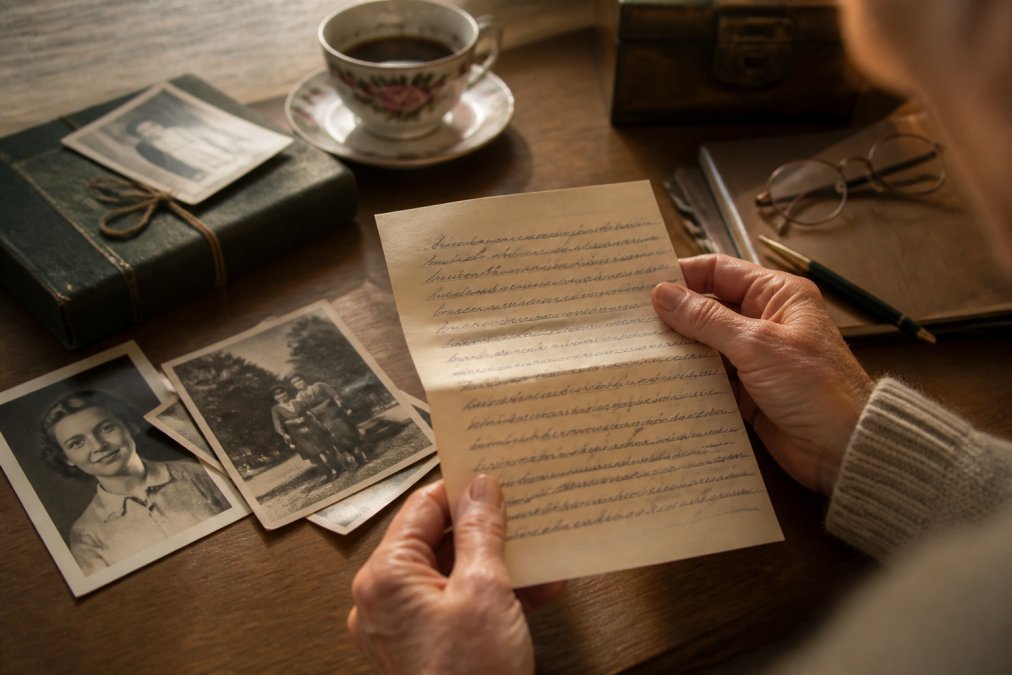
The power of a legacy letter lies in its authenticity. Unlike a formal legal document, it can ramble, digress, include humor and emotion. Your family will treasure it precisely because it sounds like you. A legacy letter template simply provides enough structure that you don't stare at a blank page wondering where to start.
Estate Planning Checklist: Creating a Complete Plan
An effective estate plan brings together multiple documents and decisions. This checklist helps ensure you've addressed the key components:
| Component | Purpose | Status |
|---|---|---|
| Last Will and Testament | Direct distribution of assets through probate | [ ] Complete |
| Revocable Living Trust | Transfer assets outside probate, maintain privacy | [ ] Complete |
| Durable Power of Attorney | Authorize someone to manage finances if you can't | [ ] Complete |
| Healthcare Directive / Living Will | Document end-of-life care preferences | [ ] Complete |
| HIPAA Authorization | Allow healthcare providers to discuss your care | [ ] Complete |
| Beneficiary Designations | Update on insurance, retirement accounts, bank accounts | [ ] Complete |
| Legacy Letter or Ethical Will | Capture personal values and life story | [ ] Complete |
| Digital Asset Inventory | List all online accounts, passwords, important files | [ ] Complete |
| Funeral Preferences | Document wishes for service, burial, or cremation | [ ] Complete |
| Family Meeting Plan | Schedule time to discuss your wishes with loved ones | [ ] Complete |
Beyond the documents themselves, an estate planning checklist should include action items like reviewing beneficiary designations (these override your will, so outdated designations cause serious problems), organizing important documents in an accessible location, communicating key wishes to your family, and updating your plan every three to five years or after major life changes.
Do You Need Both a Will and a Legacy Planning Document
The answer is yes, but not in the way you might think. A will is legally necessary if you have assets to distribute. A legacy planning document is emotionally and practically necessary if you want your family to understand your wishes beyond the legal language.
Here's the real distinction: a will tells your family what they're getting. A legacy planning document tells them why it matters, who you were, what you valued, and how you hope they'll use what you're leaving behind. A will answers legal questions. A legacy planning document answers human questions.
Many people hesitate because they think a legacy planning document is optional, something nice to have but not essential. This misses the point. Consider what happens when your family reads your will. They learn the mechanics. But they often don't understand the reasoning. They may feel hurt if they received less than a sibling, confused about why certain decisions were made, or uncertain about how to handle situations you didn't explicitly address.
A legacy planning document fills these gaps. It explains the thinking behind your decisions. It shares stories that help your family understand who you were. It offers guidance on practical matters beyond money. It reduces conflict because people understand your reasoning rather than guessing at your motives.
The question isn't whether to create both, it's how to create them efficiently. This is where a structured approach helps. My Living Legacy Course guides you through 420+ reflective prompts across seven comprehensive modules, helping you capture your story and wishes in a way that complements your legal will. You work at your own pace with lifetime access, so you can return to the material whenever reflection feels right.
The most important decision isn't choosing between a will and a legacy planning document. It's recognizing that your family needs both. Your will ensures your assets are distributed according to your wishes. Your legacy planning document ensures your family understands who you were and what mattered most. Together, they create a complete picture that protects your loved ones, legally, emotionally, and practically. Start with My Living Legacy Course to capture your story, values, and wishes in a structured, guided format. Your family will have clarity, comfort, and connection long after you're gone.
Frequently Asked Questions
What is the difference between a last will and a legacy document?
A last will and testament is a legal document that directs how your assets are distributed after death and names an executor to carry out your wishes. It goes through probate court. A legacy planning document captures your personal stories, values, and non-legal wishes, things like family recipes, life lessons, or how you want to be remembered. It has no legal standing but provides emotional and practical guidance your family won't find in a will.
Does a legacy planning document replace a legal will?
No. A legacy planning document complements your will but cannot replace it. Your will handles asset distribution and legal matters; a legacy planning document addresses the personal, emotional, and practical information your family needs. Both serve different purposes. You need a will for legal protection and a legacy planning document to provide the human context that helps your loved ones understand your wishes beyond finances.
Should I create an ethical will vs legal will, or do I need both?
You need a legal will to distribute your assets and guide probate. An ethical will (or legacy document) is separate, it records your values, life lessons, and personal messages. Many people create both: the legal will handles the estate, and the ethical will shares who you are and what matters to you. Together, they give your family complete clarity about your wishes and your legacy.
What should be included in a comprehensive legacy plan?
A comprehensive legacy plan includes your personal story and key life events, your core values and beliefs, messages for specific family members, instructions for practical matters like funeral preferences, information about digital accounts and passwords, family recipes or traditions you want to preserve, and guidance on how you want to be remembered. A structured legacy planning course with prompts helps ensure you capture all these elements in a way that truly reflects your life and wishes.