 how-to
How to Write a Life Story for Future Generations
Table of Contents
- Why Preserving Your Life Story Matters
- Gather Your Memories, Documents, and Photographs
- Life Story Writing Prompts to Spark Your Memory
- Questions to Ask Parents About Their Life
- How to Organize a Life Story by Themes and Stages
- Family History Writing Examples: From Facts to Personal Narrative
- Write Your Story, Share Your Values, and Preserve Your Legacy
- Conclusion
- Frequently Asked Questions
Last Updated: October 10, 2026
Why Preserving Your Life Story Matters
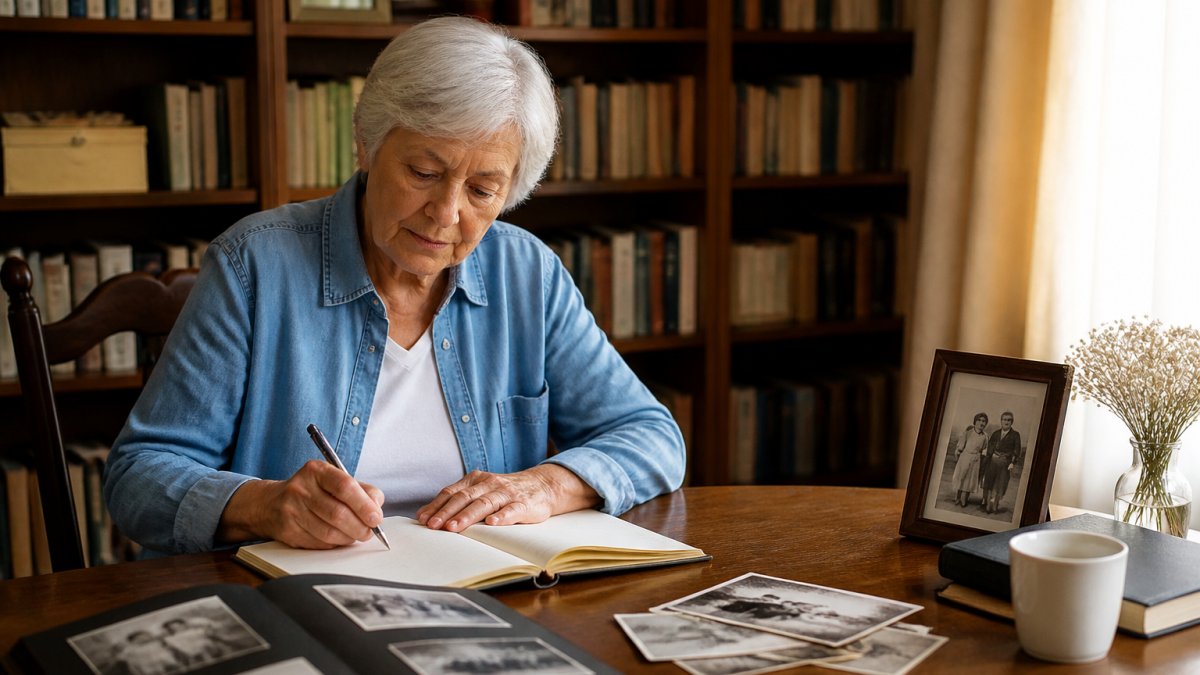
When you write a life story, you preserve something irreplaceable. It holds the moments, lessons, and values that shaped who you are. When you write a life story for future generations, you create something far more valuable than any legal document, you create a bridge between your world and theirs.
Many families face a painful reality: a parent passes away, leaving unanswered questions about who they were, what they overcame, and what they wanted their children to know. These gaps create confusion about family identity, values, and practical matters like final wishes.
According to research on family legacy and intergenerational communication, families who share personal stories report stronger emotional bonds and better understanding of their heritage. Your life story fills those gaps. It answers the questions your children and grandchildren will ask long after you're gone.
A will handles property and finances. Your life story handles everything else: your hopes for them, lessons learned the hard way, values you want to pass down, and instructions only you know about.
Writing a life story doesn't require a writer's talent or perfect memory. It requires intention and answering the questions that matter.
Gather Your Memories, Documents, and Photographs
Before you write, gather the raw materials, this transforms a vague idea into something concrete and manageable.
Collect physical items: old photographs, documents, certificates, letters, and memorabilia. Spread them out on a table or in a box. Don't organize yet, just gather.
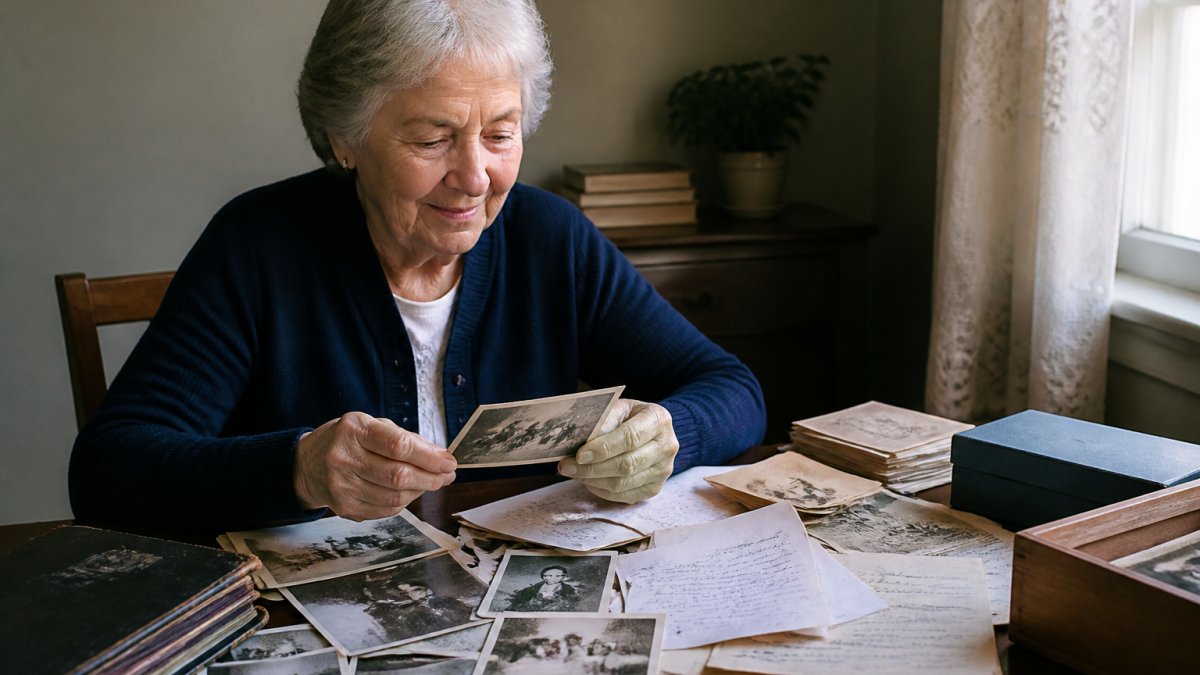
Think about the stories attached to these items. A photograph from 1965 might be the day you got your first car, a trip to your cousin's wedding, or the year you moved. Write down these details, even rough notes help.
Ask family members to contribute. Your children, siblings, and grandchildren may remember stories or have questions that spark forgotten memories. These contributions add texture and multiple viewpoints.
Scan important papers and organize digital photos by year or theme. Include voice recordings or videos. Modern technology makes it easy to preserve these items alongside your written story.
Life Story Writing Prompts to Spark Your Memory
Writing prompts help by asking questions that trigger forgotten memories.
Here are prompts organized by life theme:
Childhood and Family
- What is your earliest memory? What made it stick with you?
- Describe your childhood home. What room do you remember most clearly?
- Who was the most influential person in your childhood, and why?
- What was a family tradition that mattered to you?
- What did your parents teach you by example?
Work and Accomplishment
- What was your first job? How did it feel?
- Describe a moment when you felt proud of your work.
- What challenge did you overcome in your career?
- Who mentored you, and what did they teach you?
- What accomplishment are you most proud of?
Love and Relationships
- How did you meet your spouse or closest friend?
- What do you love most about your family?
- Describe a time when someone showed you kindness you'll never forget.
- What advice would you give your children about love and relationships?
- Who has been your greatest support?
Hardship and Resilience
- What was the hardest time in your life?
- How did you get through it?
- What did that experience teach you?
- What would you tell someone facing a similar struggle?
- How did that challenge change you?
Values and Beliefs
- What do you believe is most important in life?
- What values do you want your children to inherit?
- What gives your life meaning?
- How have your beliefs changed over time?
- What legacy do you want to leave?
Choose prompts that resonate. Write as much or as little as feels right. The goal is to capture what matters, not to fill a quota.
Questions to Ask Parents About Their Life
If you're gathering stories from parents or older relatives, use open-ended questions that invite fuller answers than yes-or-no questions.
About Their Early Life
- Tell me about your parents. What were they like?
- What was your childhood like? What do you remember most vividly?
- What was school like for you?
- What was the world like when you were growing up?
About Their Achievements
- What accomplishment are you most proud of?
- Tell me about a time you overcame something difficult.
- What job or role meant the most to you?
- What would you do differently if you could?
About Their Values
- What matters most to you in life?
- What do you hope we remember about you?
- What advice would you give us about life?
- What do you want us to know about your faith or beliefs?
About Practical Matters
- Where are important documents kept?
- Who should we contact if something happens to you?
- What are your wishes for your final arrangements?
- Are there special items you want specific people to have?
Record these conversations if possible. With permission, use your phone's voice memo app or video camera. Hearing their voice and seeing their expressions is irreplaceable.
How to Organize a Life Story by Themes and Stages
Organize your life story by themes or life stages rather than strict chronological order, it often feels more natural and meaningful.
Chronological Organization divides your life into decades: childhood, young adulthood, early career, parenthood, later years.
Thematic Organization groups stories around central ideas: family, work, spirituality, challenges, relationships.
Life Stage Organization divides your story into major chapters: becoming an adult, building a career, raising children, becoming a grandparent, facing loss, finding wisdom in later years.
Many people combine approaches, starting with life stages and weaving in themes within each stage.
Create an outline before you write. List your main sections. Under each, jot down 3-5 key stories or points you want to cover. This gives your life story structure without constraining you. You can always add, remove, or rearrange as you write.
Family History Writing Examples: From Facts to Personal Narrative
Personal detail and emotion transform dry facts into compelling narratives.
Example 1: From Fact to Story
FACT: "My grandfather was a mechanic."
STORY: "Grandpa Joe could fix anything with an engine. He'd spend hours in his garage, hands covered in grease, figuring out what was wrong. I'd sit on a stool watching him work, handing him tools. He never rushed.
This story includes sensory details, emotion, and lasting impact. It shows, not just tells.
Example 2: Building Emotional Context
FACT: "We moved three times when I was young."
STORY: "Moving was hard. I'd finally made friends, and then we'd pack up and start over. I remember the moving truck in the driveway, boxes stacked in the hallway, my mother trying to make the new house feel like home by hanging familiar pictures on unfamiliar walls.
This version includes emotion, context, and reflection, it's a story, not a fact.
Example 3: Including Dialogue
FACT: "My mother was strong."
STORY: "When my father got sick, my mother became the anchor for all of us. I remember sitting in the hospital waiting room, terrified. She sat down next to me and said, 'We don't know what's going to happen.
Dialogue brings moments to life and creates intimacy. Include sensory details, emotions, dialogue, and reflection. Explain what events meant and how they shaped you, that transforms facts into a family legacy worth preserving.
Write Your Story, Share Your Values, and Preserve Your Legacy
Now comes the actual writing. This is where intention meets action.
Set a realistic schedule. You don't need to write your entire life story in one sitting. Many people write one section per week. Some write for 30 minutes each morning.
Start with the section that feels easiest. You don't have to begin at the beginning. If childhood feels too complicated, start with your career. If your career feels distant, start with your children.
Write as if you're telling the story to someone you love. Use your natural voice. Don't aim for perfect grammar or literary polish. Authenticity matters more than perfection.
As you write, your values will naturally emerge. You don't need to deliver a lecture on what you believe. Your stories show it. A story about struggling through a difficult time reveals resilience.
Include practical information too. Write down the passwords to important accounts, the location of documents, the names and contact information of people your family should know about. Include your wishes for your final arrangements.
My Living Legacy Course provides over 420 reflective prompts and seven guided modules specifically designed to help you organize and write your life story systematically.
Conclusion
Writing a life story for future generations is one of the most meaningful gifts you can give. It preserves not just events, but the person behind those events. It answers questions your children and grandchildren will ask. It clarifies your values, your wishes, and your hopes for them. These narratives often serve as the narrative anchor for the physical objects you leave behind, helping your descendants pick meaningful keepsakes that truly embody the spirit of your shared history.
Start by gathering your memories, documents, and photographs. Use writing prompts to spark recall. Ask questions of the people you love. Organize your story in a way that feels natural. Write with authenticity and emotion. Include practical information alongside your personal narrative.
Frequently Asked Questions
How do I start writing my life story if I've never written anything before?
Start small by choosing one memory or period of your life that feels important to you. Write freely without worrying about grammar or structure, just capture what you remember. Use writing prompts to guide your thinking, or simply answer one question at a time about your childhood, career, or family. Many people find it helpful to record themselves speaking first, then transcribe or summarize what they said. The goal is to get your story out, not to write a perfect book.
What should I include in a life story for my family?
Include the moments and people that shaped who you are: your childhood, education, career, relationships, and major turning points. Share your values, life lessons, and hopes for future generations. Don't just list facts, explain why events mattered to you and what you learned. Include stories about your parents, grandparents, and ancestors if you know them, as well as your own challenges, joys, and accomplishments. Your family will treasure the personal details and emotions as much as the facts.
How is writing a life story different from a legal will?
A will handles the legal and financial side of your estate, who gets what and how your assets are distributed. A life story does something equally important: it shares who you are, what you believe, and what matters most to you. It explains the 'why' behind your wishes, helps your family understand your values, and preserves memories that no legal document can capture. Many people find that a life story, used alongside a will, gives their loved ones both clarity and comfort during difficult times.
How long should my life story be?
There's no set length, your story can be as short as a few pages or as detailed as a full book. Focus on quality and meaning rather than length. Some people write 10,000 words; others write 50,000. What matters is that you capture the moments, lessons, and values you want to pass down. Start with what feels manageable, and you can always add more later. Many families treasure even a shorter, heartfelt story more than a lengthy one that feels rushed or incomplete.
The challenge isn't finding the time or the words. It's getting started. My Living Legacy Course removes that barrier with guided modules, reflective prompts, and a structured approach designed specifically for older adults. Get started with My Living Legacy Course today and create a legacy that informs, comforts, and connects your family across generations.